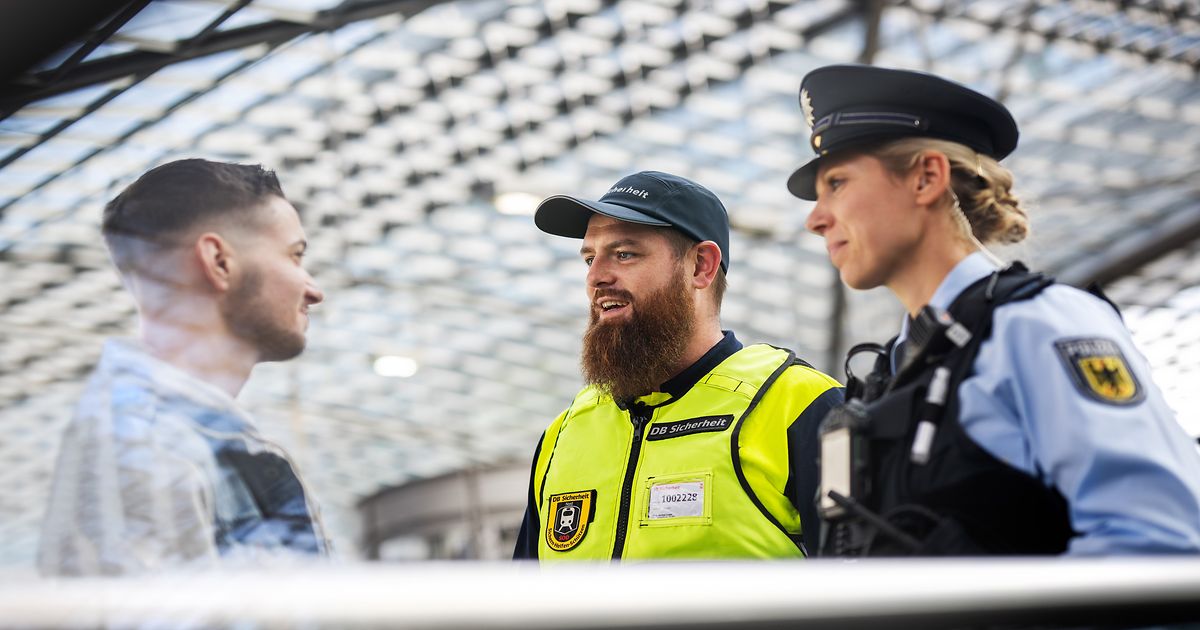
Understanding Bahnhof Sicherheit: Police Protection and Help Centers
For millions, German train stations, or Bahnhöfe, are more than just transit points; they are bustling hubs of activity, commerce, and connection. Ensuring the safety and security of these vital public spaces, a concept known as Bahnhof Sicherheit, is a paramount concern for authorities and service providers alike. This article delves into the comprehensive, multi-layered approach to train station security in Germany, highlighting the pivotal role of police protection, the invaluable services of various help centers, and how travelers can contribute to their own safety.
The Foundation of Bahnhof Sicherheit: Federal Police Presence
At the heart of Bahnhof Sicherheit is the highly visible and proactive presence of the German Federal Police, or Bundespolizei. Their mandate extends far beyond simple law enforcement, encompassing a broad spectrum of responsibilities crucial for maintaining order and protecting the public within the complex environment of train stations and railway lines. They are the primary enforcers of security, acting as a deterrent to crime, a first responder in emergencies, and a constant source of assistance for travelers.
The Federal Police force at German train stations is tasked with a range of duties that directly contribute to a safe travel experience. These include:
- Crime Prevention and Detection: Uniformed and plainclothes officers actively patrol station premises, platforms, and trains to prevent common crimes such as theft, vandalism, and assault. Their presence is a significant deterrent to criminal activity.
- Protection of Travellers: The safety of passengers is their utmost priority. This involves responding to immediate threats, resolving conflicts, and providing protection during large events or unusual situations.
- Ensuring Smooth Rail Operations: They play a crucial role in preventing disruptions to rail traffic, whether caused by criminal acts, technical incidents, or other emergencies. This can involve securing accident sites or managing crowds.
- Assistance and Information: Beyond their law enforcement role, federal police officers are often the first point of contact for travelers needing help, directions, or assistance with lost property. They are trained to provide support and direct individuals to appropriate resources.
- Crisis Management: In the event of more serious incidents, such as security alerts or natural disasters, the Bundespolizei coordinates with other emergency services to manage the situation and ensure public safety.
Their systematic approach to security means that whether you're navigating a major hub like Munich Hbf or a smaller regional station, you're under the watchful eye of dedicated professionals committed to your well-being. Knowing how and when to contact the Federal Police is a key aspect of personal safety, and their local offices or readily identifiable patrols make them accessible. For a deeper dive into their extensive operations, explore our related article: Federal Police: Ensuring Security at German Train Stations.
Beyond Policing: Comprehensive Help Centers and Services
While the Federal Police provide essential law enforcement, Bahnhof Sicherheit is further bolstered by a network of dedicated help centers and service personnel. These resources offer a different, yet equally vital, layer of support, focusing on immediate assistance, social welfare, and general traveler guidance. This holistic approach ensures that help is available for a wide range of needs, from minor inconveniences to acute personal crises.
The Vital Role of 3-S Centres (Service, Safety, Security)
Strategically located in larger train stations across Germany, the 3-S Centres (Service, Sicherheit, Sauberkeit – Service, Safety, Cleanliness) serve as central operational hubs. They are the go-to contact point for any inquiries or concerns related to the station environment, making them an indispensable element of the safety infrastructure. If you have questions about services, notice an issue with cleanliness, or have a safety concern, the 3-S Centre is where you should turn. Their staff are trained to:
- Receive Feedback: Act as a central point for all customer feedback, including complaints and suggestions, regarding the station's condition and services.
- Coordinate Responses: Efficiently coordinate with various internal and external services, including cleaning crews, maintenance teams, security personnel, and even the Federal Police, to address reported issues promptly.
- Provide Information: Offer up-to-date information on train services, station facilities, and local connections, ensuring travelers are well-informed.
- Act as a Safety Nexus: In emergency situations, they can quickly contact relevant authorities and provide initial assistance, bridging the gap between a traveler's immediate need and specialized help.
The 3-S Centres exemplify Deutsche Bahn's commitment to not just security, but an overall positive and well-maintained station experience.
Bahnhofsmission: Immediate and Unconditional Support
One of the most compassionate and human-centric pillars of support within German train stations is the Bahnhofsmission. This independent, charitable organization provides immediate, unconditional, and free assistance to anyone in acute need, without requiring registration or extensive bureaucracy. Their presence in train stations underscores a commitment to social welfare alongside physical security.
The Bahnhofsmission primarily serves vulnerable individuals, including:
- Homeless Individuals: Offering a warm place, a meal, and often a listening ear, providing crucial basic necessities.
- Elderly Travellers: Assisting with heavy luggage, navigating complex stations, or providing companionship.
- Families with Children: Offering support during long waits or helping with practical needs.
- People in Crisis: Providing emotional support, first aid, and directing individuals to specialized social services.
- Travellers in Distress: Whether stranded, lost, or simply overwhelmed, they offer practical help and a safe haven.
Staffed by dedicated volunteers and professionals, the Bahnhofsmission embodies the spirit of solidarity and provides invaluable comfort and practical aid, often making a significant difference in a person's day or even their life.
Mobile Service Staff: Your On-the-Ground Guides
Adding another layer of accessibility and direct assistance are the mobile service staff found at many larger stations. Easily recognizable by their distinctive burgundy-coloured caps emblazoned with the 'Service' label, these individuals are more than just information providers – they are proactive problem-solvers. Their role is to provide travellers with advice and assistance on the spot, addressing a multitude of common issues.
Their services include:
- Wayfinding: Helping travelers navigate the often-complex layouts of major stations.
- Travel Information: Providing real-time updates on train schedules, platform changes, and connections.
- Assistance with Facilities: Guiding travelers to restrooms, luggage lockers, shops, or dining options.
- Initial Support: For minor issues or questions, they offer immediate help, and if the situation warrants, they can escalate it to the 3-S Centre or the Federal Police.
Their friendly and approachable presence ensures that help is often just a few steps away, significantly enhancing the overall traveler experience and contributing to a sense of security. To learn more about these invaluable contact points, read our article: Station Safety: Your Contacts at 3-S Centres & Bahnhofsmission.
Your Role in Enhancing Bahnhof Sicherheit: Practical Tips for Travellers
While a robust security infrastructure is in place, individual awareness and responsible behavior are crucial complements to Bahnhof Sicherheit. By adopting a few simple habits, you can significantly enhance your personal safety and contribute to the overall security of the station environment.
- Stay Aware of Your Surroundings: Be mindful of people and activities around you, especially in crowded areas or when waiting for trains. Avoid distractions like constantly looking at your phone.
- Secure Your Belongings: Keep bags, wallets, and phones secure and close to your body. Avoid leaving luggage unattended, even for a moment. Opportunistic theft is a common issue in busy public spaces.
- Know Who to Contact: Familiarize yourself with emergency numbers (e.g., 110 for police, 112 for general emergency) and know the location of the nearest 3-S Centre or Bahnhofsmission.
- Report Suspicious Activity: If you see something that seems out of place – an unattended package, unusual behavior, or anything that makes you feel uneasy – report it to station staff, mobile service personnel, or the Federal Police immediately. "See Something, Say Something" is a powerful principle.
- Travel Light and Smart: Only carry what you need, and ensure your luggage is manageable. Overburdened travelers can become targets or stumble, increasing risk.
- Use Official Information Channels: Rely on official announcements, station screens, and trusted staff for information regarding train schedules or security updates.
- Trust Your Instincts: If a situation or person makes you feel uncomfortable, remove yourself from the situation if possible, and seek assistance from station personnel.
Advanced Measures and Future Outlook
The commitment to Bahnhof Sicherheit is dynamic and continuously evolving. Beyond visible patrols and help centers, German train stations employ a range of advanced security measures. This includes extensive CCTV surveillance systems covering platforms, concourses, and entrances, allowing for rapid response to incidents. Regular security drills and close cooperation between local police, federal police, and private security firms ensure a coordinated and effective response to various scenarios.
Technological advancements, such as AI-powered analytics for detecting unusual behavior or abandoned luggage, are increasingly integrated into security protocols. The ongoing goal is to create an environment where efficiency and safety go hand-in-hand, ensuring that train stations remain not only efficient transport hubs but also reassuringly secure public spaces for everyone.
Conclusion
The concept of Bahnhof Sicherheit in Germany is a sophisticated, multi-faceted system designed to ensure the safety and well-being of all who pass through its train stations. From the robust law enforcement of the Federal Police to the empathetic support of the Bahnhofsmission, and the practical guidance of 3-S Centres and mobile service staff, a comprehensive safety net is in place. By understanding these vital services and actively participating in personal safety practices, travelers can enjoy peace of mind and contribute to the secure and welcoming atmosphere that defines German train stations. This collaborative effort underscores a shared commitment to making every journey a safe one.