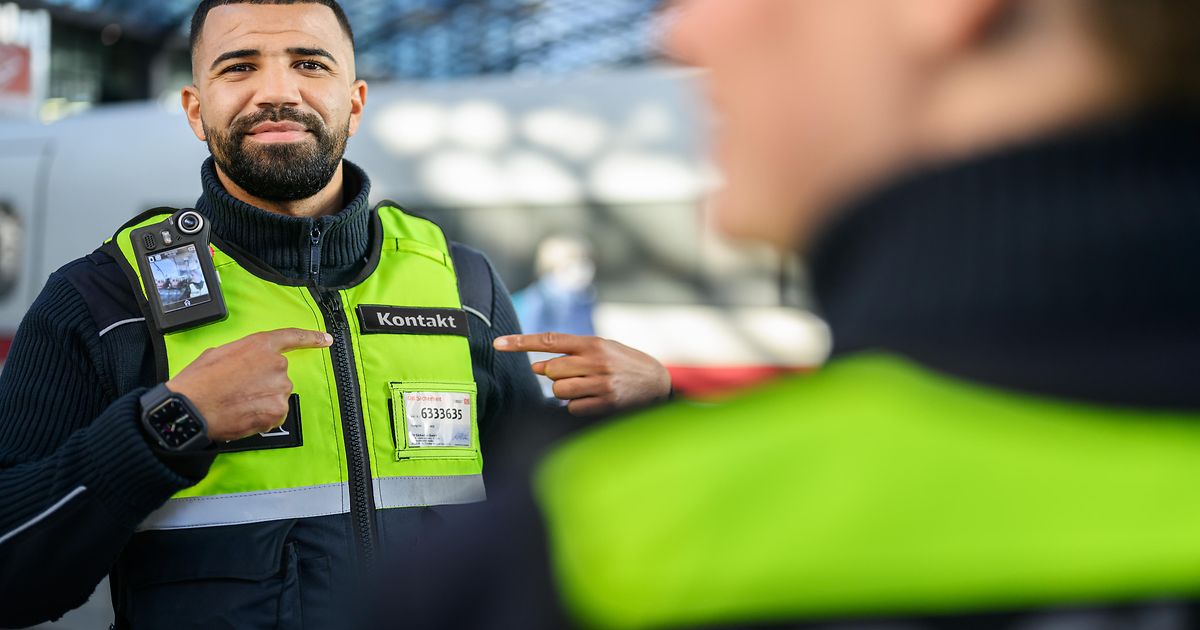
Station Safety: Your Contacts at 3-S Centres & Bahnhofsmission for Enhanced Bahnhof Sicherheit
German train stations, known as *Bahnhöfe*, are bustling hubs of activity, connecting millions of travellers daily. From the grandeur of Munich Hauptbahnhof to the vibrant energy of Hamburg Hauptbahnhof, these stations are more than just transit points; they are vital arteries of urban life. While generally safe, maintaining a secure and welcoming environment, or *Bahnhof Sicherheit*, is a continuous priority. This commitment to safety is upheld by a multi-faceted network of dedicated personnel and services designed to assist you, ensure your well-being, and respond to any concerns. Understanding who to contact and where to find help is key to a smooth and secure journey. This comprehensive guide will walk you through the essential contacts and services available at German train stations, empowering you with the knowledge to navigate confidently and securely. We'll delve into the roles of the 3-S Centres, the Federal Police (Bundespolizei), the compassionate outreach of the Bahnhofsmission, and other vital support systems that collectively ensure *Bahnhof Sicherheit* for everyone.The Pillars of Bahnhof Sicherheit: Your Central Contact Points
At the heart of station safety and service provision are two primary entities you should be familiar with: the 3-S Centres and the Federal Police. These are your first port of call for various needs, ranging from routine enquiries to serious security concerns.The 3-S Centres: Service, Security, Cleanliness United
The acronym 3-S stands for Service, Sicherheit, Sauberkeit – Service, Security, and Cleanliness. These centres, typically located centrally within major train stations, are comprehensive information and support hubs. They are designed to be a single point of contact for a wide array of traveller needs. If you have any questions or require assistance concerning service quality, safety concerns, or even issues related to station cleanliness, the 3-S Centre is where you should head.
- Service: From lost & found inquiries to general station information, timetable queries, or even assistance with accessibility needs, the 3-S staff are trained to help.
- Security (Sicherheit): While they don't replace the police, the 3-S Centre personnel are often the first to be alerted to non-emergency security incidents, suspicious behaviour, or issues requiring a quick response. They act as an important intermediary, coordinating with the appropriate security forces.
- Cleanliness (Sauberkeit): Maintaining a clean environment contributes significantly to a positive and safe experience. Concerns about station hygiene can also be reported here.
Think of the 3-S Centre as the station's nerve centre for non-emergency operational issues. Their staff are visible, approachable, and equipped to provide immediate assistance or direct you to the right department.
The Federal Police (Bundespolizei): Guardians of the Rail Network
Ensuring the paramount level of Bahnhof Sicherheit falls squarely on the shoulders of the Federal Police (Bundespolizei). Unlike local municipal police, the Bundespolizei have specific jurisdiction over Germany's federal railway network, including all train stations, tracks, and trains. Their presence is a crucial deterrent against crime and a constant reassurance for travellers.
The Federal Police at train stations are responsible for a broad spectrum of duties, including:
- Protecting travellers and station infrastructure.
- Preventing and investigating crimes such as theft, assault, and vandalism.
- Ensuring the smooth flow of rail traffic by addressing disruptions.
- Border control at international train stations.
- Responding to emergencies and providing assistance in critical situations.
Their officers are highly visible, patrolling platforms, concourses, and train interiors. They are available to answer questions, offer assistance, and, most importantly, intervene in any situation that compromises public safety. In an emergency, or if you witness a crime, contacting the Federal Police (or dialing 110 for general police emergency) should be your immediate action. For more in-depth information on their role, you can read our dedicated article: Federal Police: Ensuring Security at German Train Stations.
Together, the 3-S Centres and the Federal Police form a robust framework for managing both routine and emergency aspects of *Bahnhof Sicherheit*, offering comprehensive support to anyone passing through Germany's rail hubs. For a broader perspective on the combined efforts of security and help centers, check out Understanding Bahnhof Security: Police Protection and Help Centers.
A Haven in Crisis: The Indispensable Bahnhofsmission
Beyond the formal structures of service and law enforcement, German train stations are also home to a unique and deeply compassionate institution: the Bahnhofsmission (Station Mission). This volunteer-led organization provides immediate, non-bureaucratic, and free help to anyone in acute need, regardless of their background, beliefs, or circumstances. The Bahnhofsmission embodies the humanitarian side of *Bahnhof Sicherheit*, offering a safety net for the vulnerable.
The services provided by the Bahnhofsmission are incredibly diverse and focus on immediate practical and emotional support:
- Travel Assistance: Helping elderly travellers, persons with disabilities, families with young children, or unaccompanied minors navigate the station, find their train, or transfer platforms.
- Support in Acute Need: Offering a warm place to rest, a hot drink, a small meal, or a listening ear to people experiencing homelessness, those who have missed connections, or individuals facing personal crises.
- Crisis Intervention: Providing initial support for victims of crime, individuals in emotional distress, or those experiencing mental health challenges, and directing them to specialized services.
- Bridging Gaps: Connecting people with further social services, shelters, medical help, or simply providing information and a sense of dignity when all else seems lost.
You can easily spot the Bahnhofsmission staff by their distinctive presence – often a dedicated office within the station, or volunteers actively present on platforms, ready to assist. They operate without the need for registration, offering help the moment it's needed most. Their work is a testament to the idea that true *Bahnhof Sicherheit* extends beyond physical protection to encompass social and emotional well-being.
Your Active Contribution to Bahnhof Sicherheit: Practical Tips for Travellers
While an extensive network of professionals works tirelessly to ensure your safety, your own awareness and proactive measures play a significant role in enhancing *Bahnhof Sicherheit*. By adopting a few simple habits, you can significantly contribute to your personal security and that of those around you.
- Maintain Situational Awareness: Be aware of your surroundings. Avoid being overly distracted by your phone or music, especially in crowded areas or when navigating platforms. Knowing who and what is around you is your first line of defense.
- Safeguard Your Belongings: Keep an eye on your luggage. Use secure bags, avoid leaving valuables unattended, and be wary of pickpockets, particularly in crowded train stations. Consider using a backpack with front-facing zippers or a cross-body bag.
- Trust Your Instincts: If a situation or a person makes you feel uneasy, trust that feeling. Move away, seek out station staff, or head towards a well-lit, populated area.
- Report Suspicious Activity: If you see an unattended bag, unusual behaviour, or anything that seems out of place, report it immediately to Federal Police, 3-S Centre staff, or other visible station personnel. Don't assume someone else will.
- Know Emergency Numbers: In Germany, dial 110 for the police and 112 for general emergency services (fire brigade, ambulance). Save these numbers in your phone, but also know where to find emergency call points at the station.
- Utilize Official Information: Rely on official station apps, digital display boards, and announcements for accurate information regarding your train and potential disruptions. Be cautious of unofficial sources or individuals offering unsolicited "help" with your luggage or tickets.
- Travel Smart at Night: If travelling late, try to stay in well-lit areas, near other people, or close to staff members. Consider using a taxi or public transport from the station rather than walking long distances alone if you feel uncomfortable.
Your vigilance is a valuable asset in the collective effort to maintain high levels of *Bahnhof Sicherheit* across Germany.
Recognizing and Utilizing On-Site Support & Information
Beyond the primary contact points, several other elements contribute to the overall feeling of safety and provide immediate, less formal assistance at German train stations. Recognizing these can further empower you during your travels.
- Mobile Service Staff: At many larger stations, you'll encounter mobile service staff – often identifiable by burgundy-coloured caps or vests with a clearly marked ‘Service’ label. These individuals are a fantastic resource for general advice, directions, platform information, or minor assistance. They are not security personnel but can quickly guide you to the right department or person if a safety concern arises.
- Information Desks: While sometimes distinct from 3-S Centres, dedicated information desks can provide quick answers to common questions and act as visible points of contact.
- Clear Signage and Announcements: German train stations are typically well-equipped with clear signage, digital departure/arrival boards, and regular announcements in multiple languages. Pay attention to these for crucial updates, platform changes, or safety instructions.
- CCTV Surveillance: Most major stations are equipped with extensive CCTV camera systems, which act as both a deterrent to crime and a valuable tool for investigation should an incident occur.
- Well-Lit Environments: A significant aspect of passive security is good lighting. Stations, especially platforms and walkways, are generally well-lit, particularly during evening hours, to enhance visibility and reduce feelings of vulnerability.
Knowing these different layers of support can make your experience at German train stations more comfortable and secure. From uniformed police to friendly service staff and the compassionate Bahnhofsmission, a comprehensive network is dedicated to your *Bahnhof Sicherheit*.
Conclusion
Navigating Germany's impressive railway network is, for the vast majority, a safe and efficient experience. This high level of *Bahnhof Sicherheit* is not accidental but the result of a dedicated and integrated approach involving various professional and voluntary organizations. By understanding the roles of the 3-S Centres, the vigilant Federal Police, the humanitarian Bahnhofsmission, and other on-site support staff, you are better equipped to handle any situation that may arise.
Your active role through situational awareness and responsible behaviour complements these efforts, contributing to a secure environment for everyone. German train stations are designed to be safe spaces, and with the knowledge of these invaluable contacts, you can travel with confidence, knowing that help and support are always within reach.